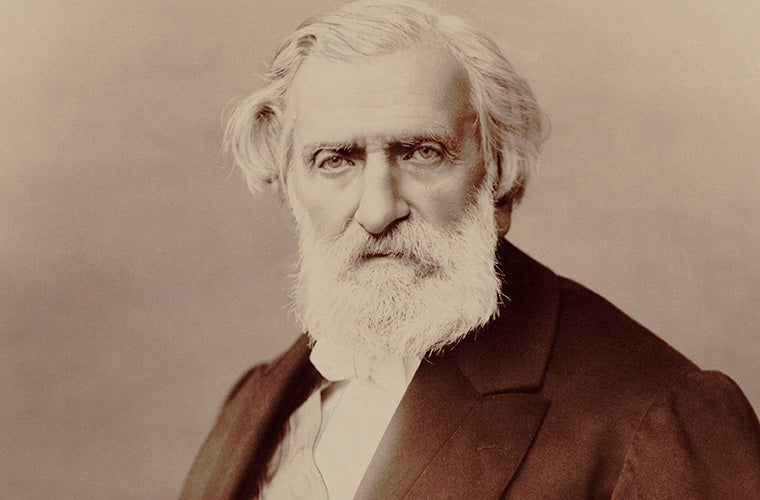
Ambroise Thomas
1811 - 1896
Biography
Ambroise Thomas (1811–1896) was a towering figure in 19th-century French musical life, a composer who achieved the heights of operatic fame while serving as the formidable guardian of the French academic tradition. Known for his melodic elegance and a sophisticated, translucent approach to orchestration, Thomas played a crucial role in shaping the "official" sound of French music for over half a century.
Born in Metz to a family of musicians, Thomas was a prodigy who entered the Paris Conservatoire at age seventeen. He quickly distinguished himself as a brilliant pianist and violinist, eventually winning the Prix de Rome in 1832. This success launched a career that saw him become one of the most decorated artists in France. In 1871, he succeeded Daniel Auber as the Director of the Paris Conservatoire, a position he held until his death. Under his long tenure, he enforced a rigorous classical discipline that, while sometimes viewed as conservative, provided the technical foundation for students like Jules Massenet and César Franck.
Thomas reached the pinnacle of his creative career with the premieres of Mignon (1866) and Hamlet (1868). These works demonstrated his uncanny ability to translate literary masterpieces into the operatic medium with a uniquely Gallic sensitivity. His orchestral writing in these scores is celebrated for its clarity and psychological depth; the Overture to Mignon remains a beloved staple of the symphonic repertoire, showcasing his gift for vibrant instrumental color and long-breathed, lyrical themes.
Beyond the opera house, Thomas was a prolific composer of choral works, chamber music, and ballets. His style balanced the dramatic flair of the Romantic era with a refined, classical restraint that avoided the heavy textures often found in the Germanic music of the time. Today, Thomas is remembered not only for his theatrical triumphs but as a pivotal educator whose influence ensured that the elegance and precision of the French school would endure into the modern age.
Featured Events
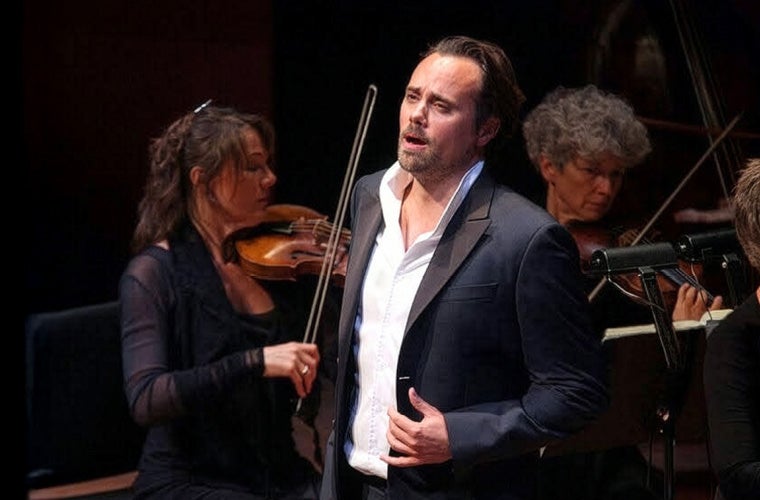
- Selections from Les contes d'Hoffmann (The Tales of Hoffman)Offenbach
- Overture to MignonThomas
- Selections from Roméo et JulietteGounod
- Overture to FaustoBertin
- Selections from CarmenBizet
- Overture to Orphée aux enfersOffenbach