Symphony Sparks Musical Inspiration in School Children During Field Trip Concerts
by Jon Ross
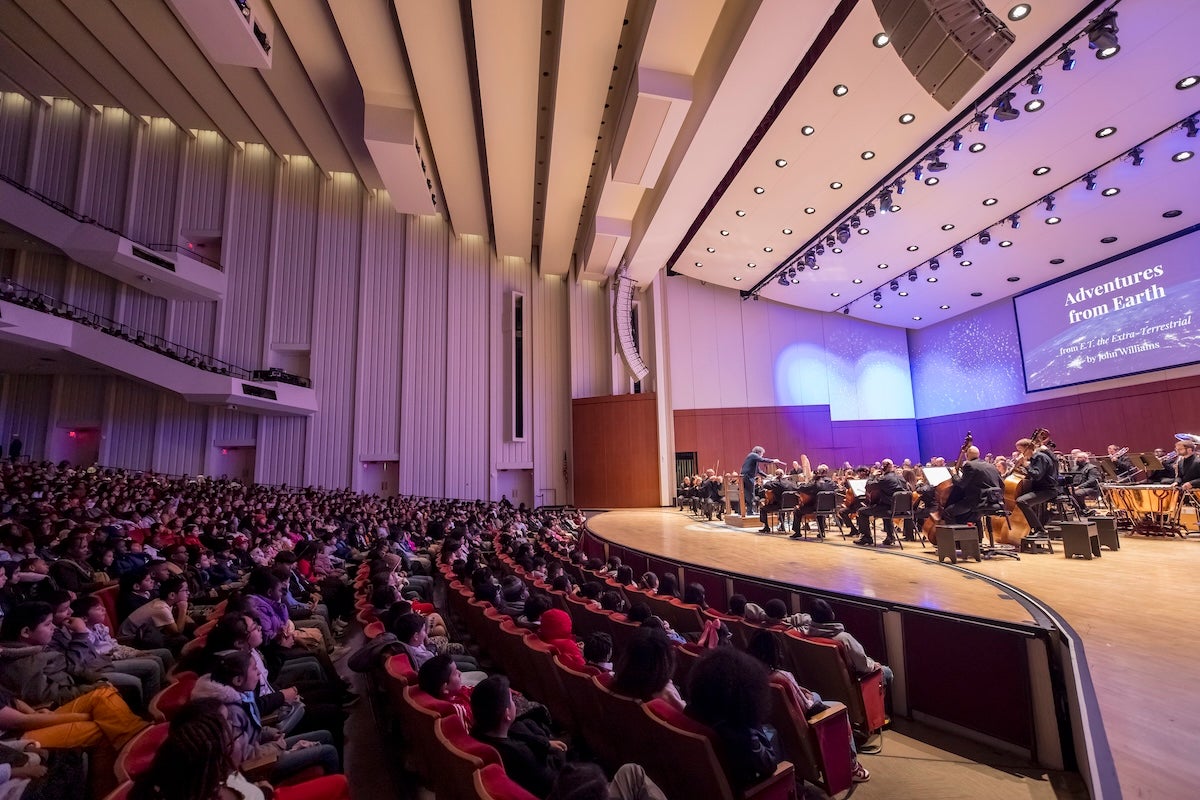
Brianne Turgeon witnessed a transformation at the symphony.
As the music and chorus teacher at Springdale Park Elementary School, she brings her classes to the Atlanta Symphony Orchestra every year as part of the organization’s Students at the Symphony program.
On one of these outings – the symphony was playing a work by Berlioz – she watched a shy, awkward child become an active and enthusiastic listener. Beaming, he started conducting to himself, the sound sparking a need for music he perhaps didn’t know existed.
“It’s one of my favorite things that’s ever happened to me as a teacher in my whole life,” Brianne says. “Here’s this child who had all of these social barriers … and he was just changed in that moment. It was just beautiful.”
These day-time field trips pack dozens of school classes into Symphony Hall for tailored, one-hour performances. In 2024, the ASO inspired close to 19,000 students from more than 200 area schools. For six performances spread out across the 2025-2026 school year, students will hear the ASO, led by William R. Langley, perform works by Gershwin, Copland and Ferde Grofé. These will be nestled alongside Ron Nelson’s “Savannah River Holiday” and “Reflections on Georgia” by student composer Emily Anne Klayman. The music is packaged within a play, written and directed by Jessica Espinoza, titled “Southern Landscapes: A Musical Journey through the American South.”
Brianne has been bringing her classes to the symphony since she worked at Morningside Elementary, before she moved over to the brand-new Springdale Park in 2009. During that time, she has found that the vast majority of kids truly pay attention and really care about the music being made on stage. This is likely due to weeks of preparation, where she teaches her classes about the works being performed and the composers, along with a little bit of concert etiquette.
Armed with all this information, the students notice anything out of the ordinary. Brianne remembers one trip where the orchestra was set up in an atypical formation.
“The basses were on the left, and the kids were outraged,” she jokes. “They were like, ‘What is happening?’”
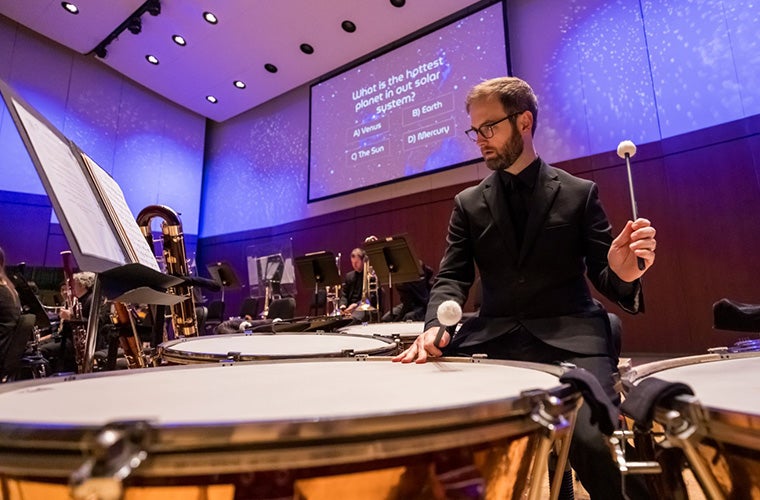
These field trips don’t need to be programmed with familiar tunes or short excerpts of longer pieces to spark enthusiasm for classical music among little listeners. Brianne has found that keeping her kids engaged and listening to the music has never really been an issue. When the ASO performed snippets of Christopher Theofanidis’ “Rainbow Body” one year, her kindergarteners were disappointed. They wanted to hear the entire piece. She attributes that to unpacking the themes behind the music in kid-appropriate terms.
“It’s taking the time to explore what the music can give to different people who are going to experience it differently,” she says. “That experience deepens everything we do.”
Brianne also practices active listening with her music classes, showing students how to focus on music and push other distractions from their brains. Talking about how the music makes them feel, giving them the space for their imagination to wander, is an important early lesson.
“People can’t just sit and let their minds wander and let something take them where they don’t know where they’re going,” she says. “Any person needs to know how to just sit and listen.”